Loss Prevention
Retail loss-prevention technology
Loss-prevention technology should help a store understand and reduce a defined loss mechanism without turning every alarm into an accusation.
Loss-prevention technology should help a store understand and reduce a defined loss mechanism without turning every alarm into an accusation. Electronic article surveillance, RFID, cameras and incident systems collect different signals. Start with the store's loss records, then decide which signal could change an operational decision.
Match the tool to the problem
Product tags and exit detectors can alert staff to an item leaving a protected area. RFID can add item-level identification when products and systems are configured for it. Video may help verify a reported incident.
Sensormatic describes combining EAS, RFID and video in its own retail systems; these are capabilities to evaluate, not proof of a reduction in any particular store's losses.
Treat an alarm as a signal to verify, not proof of theft, and keep the response proportionate.
Loss Prevention Technologies: Features and Use Cases
- Electronic Article Surveillance (EAS)Alerts staff when an item leaves a protected area; best for high-value or frequently stolen items.
- RFIDProvides item-level identification; supports inventory management and theft detection when integrated with POS systems.
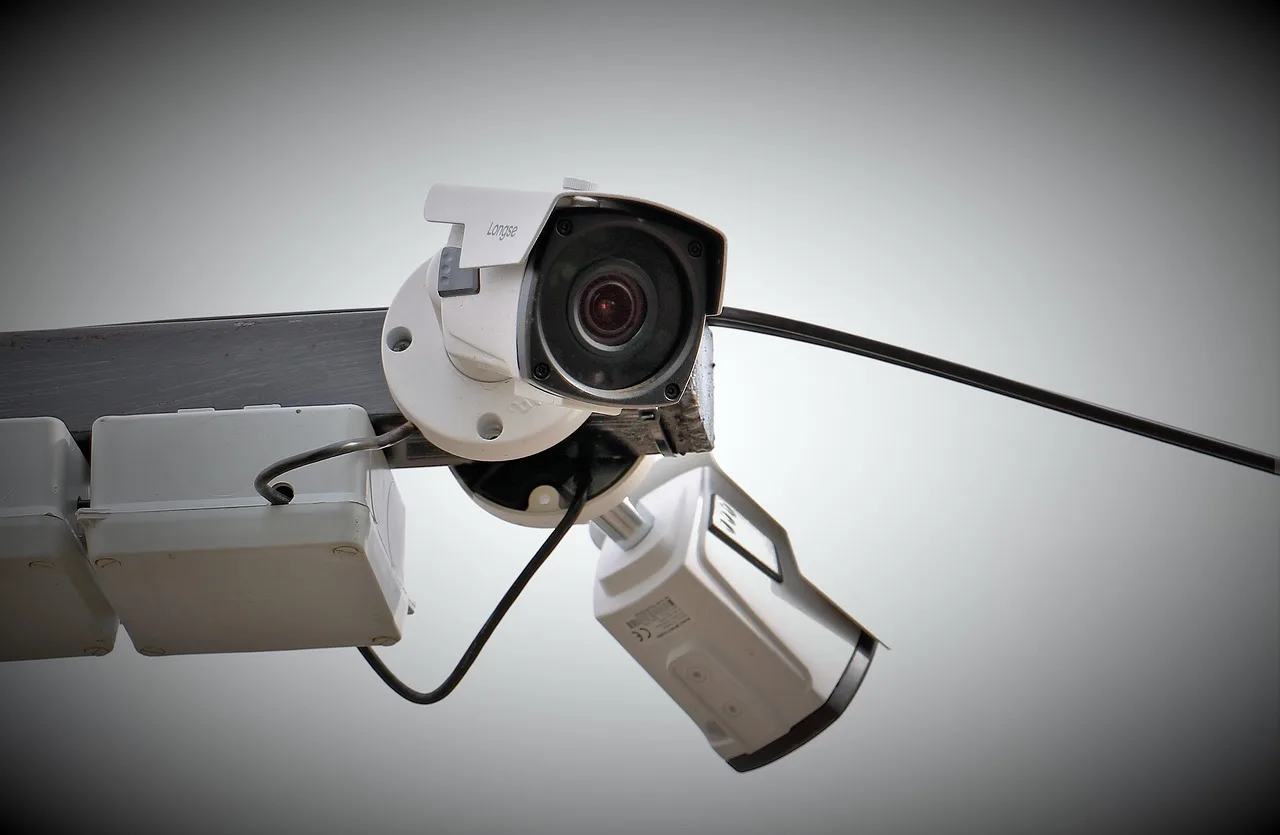
- Video SurveillanceVerifies incidents; enhances situational awareness but must comply with privacy laws under the Privacy Act 1988.
- Facial RecognitionHigh privacy risk; requires assessment under OAIC guidelines; not permitted without clear justification and consent.
Connected storefront technology
A connected storefront can bring together traffic analytics, electronic article surveillance, RFID, inventory visibility and video intelligence. Sensormatic describes these as parts of its Storefront Visibility offering, using the store entrance as a point for understanding more of the shopper journey.
Sensormatic says real-time analytics can provide storefront insights to help retailers organise staff scheduling, reduce out-of-stocks, strengthen loss-prevention efforts and support selling activity.
Axis Communications also promotes combining surveillance hardware with analytics to address theft and fraud across retail premises. A loss-prevention setup may include both cameras and software, rather than camera hardware alone.
Top Considerations When Deploying Storefront Visibility Systems
- Real-time traffic analyticsSupports optimal staffing and customer experience alignment.
- Integration with point-of-sale (POS)Enables automated inventory updates and faster replenishment.
- Item-level inventory visibilityReduces out-of-stocks and improves omnichannel availability.
- Privacy by designEnsure all systems comply with OAIC guidelines and Australian privacy laws.
Consider inventory visibility as well
Retail RFID can serve inventory tasks as well as merchandise protection. Sensormatic describes dual-technology storefront systems that provide item-level inventory data, RFID sensors for inventory management and merchandise protection, and point-of-sale systems that use RFID for inventory management.
When planning a deployment, establish which parts of the store need item-level information and whether the intended storefront, sensor and point-of-sale components support that use.
Sensormatic says its On-Floor Visibility offering uses real-time, item-level identification of loss events to support fast replenishment of stolen merchandise. The stated aim is to reduce out-of-stocks and improve in-store and omnichannel experiences, linking loss-prevention technology to the availability of products on the sales floor.
Sensormatic notes that maintaining accurate on-shelf availability requires a store-wide approach, with the storefront acting as one important point in that work. A storefront system can contribute information, but it is not a substitute for broader inventory visibility.
Connect signals to the store record
Keep a consistent record of signals, observations and outcomes, and limit access to sensitive information.
If cameras or facial recognition are considered, assess privacy obligations before deployment. The Australian privacy regulator says surveillance can engage privacy laws, and state or territory surveillance and monitoring laws also apply. It also provides guidance on assessing the privacy risks of facial recognition. Do not assume ordinary CCTV and biometric identification have the same implications.
Set privacy controls for surveillance
The Office of the Australian Information Commissioner says the Privacy Act 1988 covers Australian Government agencies and organisations with annual turnover of more than $3 million, as well as some other organisations. Where it applies, personal information collected through a surveillance device must comply with the Australian Privacy Principles.
The OAIC says a covered organisation or agency generally must tell people that their image may be captured before recording them, and must keep recorded personal information secure and destroy or de-identify it when it is no longer needed. State and territory surveillance and monitoring laws also apply, so check the rules relevant to the store's location.
Privacy Compliance Requirements for Retail Surveillance
- Applicability of Privacy Act 1988Applies to organisations with annual turnover > $3 million or certain other entities.
- Notice requirementMust inform individuals their image may be captured before recording.
- Data retentionPersonal information must be securely stored and destroyed or de-identified when no longer needed.
- State/territory lawsAdditional rules apply depending on location—check local regulations.
Evaluate the claim with a pilot
Evaluate any loss-prevention claim against the store's own measurements before expanding a system.
Implementing Loss Prevention Technology: A Step-by-Step Approach
- Review store loss recordsIdentify recurring loss patterns to define the problem before selecting technology.
- Match tool to problemSelect EAS, RFID, video or analytics based on specific loss mechanisms.
- Run a pilot programTest technology in one store or zone using real-world metrics before scaling.
- Evaluate claims against internal dataCompare results to baseline performance—don’t rely solely on vendor claims.
- Scale with privacy complianceEnsure all surveillance practices meet the Privacy Act 1988 and state/territory laws.
Plan for the technology’s operating role
Traffic analytics may support labour management by helping align staffing with tasks at different times of day, according to Sensormatic. If a retailer considers this capability alongside loss prevention, define what staff decisions the information is meant to support and keep that purpose distinct from any claim that the technology itself prevents loss.
Sensormatic presents its storefront solutions as supporting sales, customer conversions and in-store experiences as well as theft prevention.
In this guide
- Reviewing false alarms before expanding a systemA gate that alarms often can make staff ignore the signal and make customers uncomfortable.
- Connecting incident records to store operationsAn incident note has more value when it can inform stock, checkout and staffing decisions.
- Evaluating loss-prevention claims with actual store data“Fewer alarms” and “less shrink” are not the same result.